
Loading...
Serving Hesperia, CA and surrounding areas. (760) 392-8157
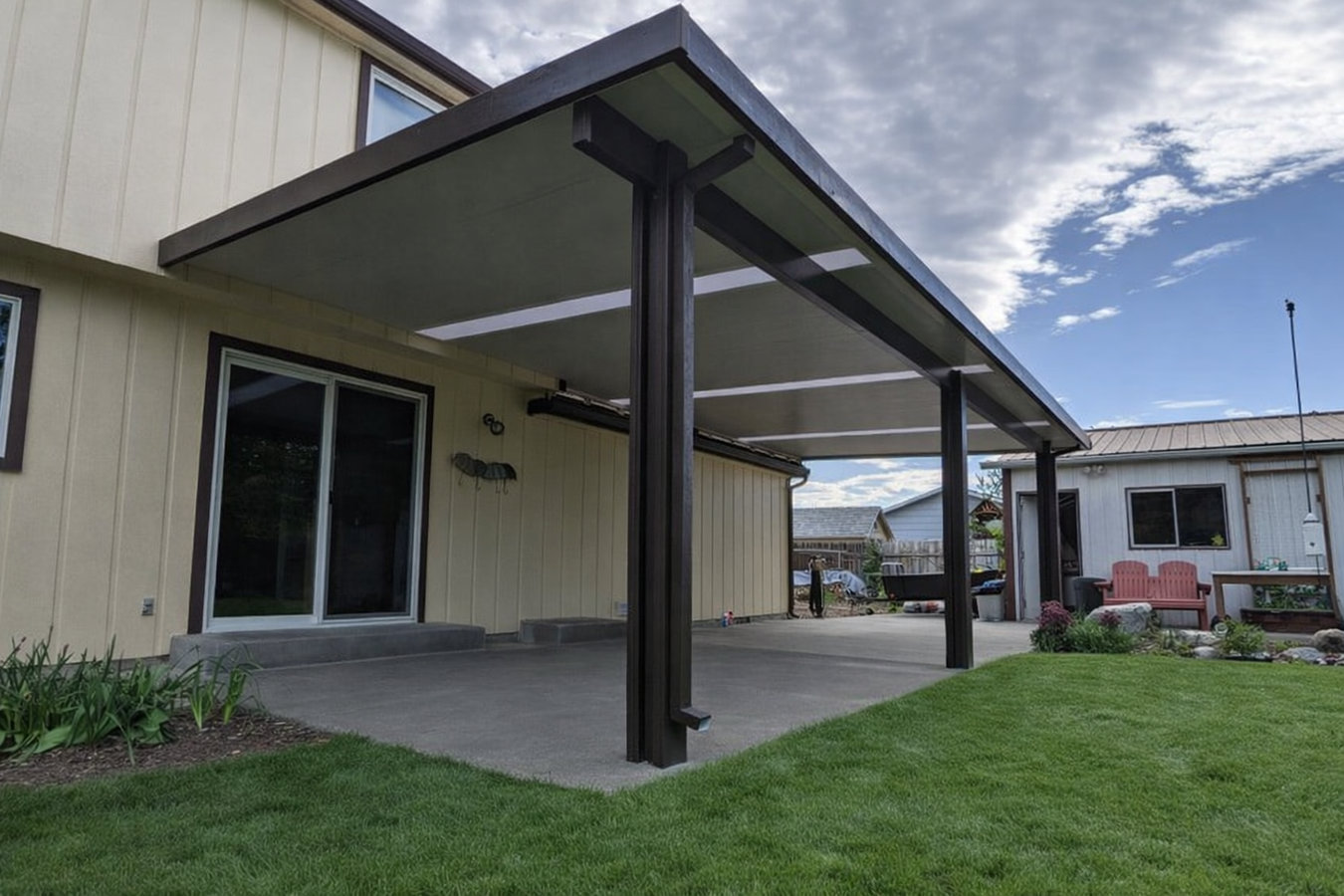
Custom Hesperia Sunrooms & Patios installs patio covers, builds sunroom additions, and encloses patios for Upland, CA homeowners. Whether your home is a mid-century ranch near Euclid Avenue or a newer two-story in north Upland near the foothills, we have been building for the Inland Empire climate since 2015.
Custom Hesperia Sunrooms & Patios installs patio covers, builds sunroom additions, and encloses patios for Upland, CA homeowners. Whether your home is a mid-century ranch near Euclid Avenue or a newer two-story in north Upland near the foothills, we have been building for the Inland Empire climate since 2015.
Upland summers push past 100 degrees Fahrenheit regularly, and a backyard without shade is not a backyard you can actually use. A proper patio cover - sized and anchored for Inland Empire wind loads - makes the space functional from morning to evening rather than just tolerable for a few hours. Our patio cover installation process accounts for the footing depth Upland's clay soil demands, the wind loads from seasonal Santa Ana events, and the UV intensity that degrades lesser materials within a few years here.
The north side of Upland near the foothills sees cooler winter nights than the rest of the city, and the entire city bakes from June through September. A four season sunroom with insulated walls, double-pane low-E glass, and a dedicated mini-split handles that full range without making the space uncomfortable at either extreme. Homes in the foothill neighborhoods particularly benefit from the added insulation, since the temperature swings between day and night are more pronounced up there.
Upland's mid-century ranch homes were built with modest square footage, and many families have outgrown the layout without having a practical path to a full addition inside the house. A sunroom addition expands your living area by tying into the existing exterior wall and slab, with materials chosen for the local climate. Many homeowners in Upland use the added space as a home office, a quiet reading room, or a place for kids to spend time without taking over the main living areas.
A large share of Upland homes from the 1960s and 1970s already have a concrete patio slab and an aging aluminum cover. Enclosing that space with proper walls, sealed windows, and a weather-tight roof connection converts it from a hot, exposed patio into a room the family can actually use. The existing slab reduces the project cost significantly compared to starting a room addition from scratch.
For Upland homeowners who want to use the mild spring and fall months comfortably without spending on full climate control, a three season sunroom covers that window well. The pleasant weeks from March through May and October through November are when Upland outdoor living is at its best, and a three season room keeps the space comfortable during those months while blocking dust, insects, and wind without requiring a dedicated HVAC system.
Upland evenings from October through April bring genuinely comfortable temperatures and a view toward Mount Baldy that makes sitting outside worth doing. A screen room blocks the insects and the blowing dust common to warm Inland Empire evenings without closing off the outdoor feel entirely. It is the most cost-effective way to make use of Upland's pleasant off-season weather before committing to a full enclosure.
Upland sits at the foot of the San Gabriel Mountains, where summer temperatures regularly reach 95 to 105 degrees Fahrenheit and the air stays dry for months at a time. That heat and UV exposure degrades roofing materials, exterior caulk, and glass coatings faster than in coastal climates, which means the materials chosen for a sunroom or patio cover here need to be rated for high-UV environments - not just average California conditions. Santa Ana wind events hit Upland every fall and winter with gusts that can reach 50 to 60 mph, testing every roof connection, window seal, and structural attachment point. A contractor who specs patio cover footings for moderate coastal wind loads has not accounted for the conditions here. Getting those structural details right before construction starts is what separates a room that lasts from one that needs repairs after the first major wind event.
The clay-heavy soils under most of Upland swell during wet winters and shrink during dry summers. That seasonal movement puts stress on concrete slabs, patio footings, and any structure anchored to the ground. It is the reason driveways and flatwork throughout Upland crack on a regular cycle, and it is why a sunroom or patio structure here needs footings dug deep enough and sized correctly to handle that movement year after year. Upland's mid-century ranch homes also present specific challenges at the attachment point - stucco that has been patched multiple times, older rooflines with varying pitch, and exterior walls that may have shifted with the soil over 50 years. Experience with this housing stock matters when you are tying a new structure into it.
Our crew works throughout Upland regularly, and we pull permits through the City of Upland Building and Safety Division on every project here. Knowing the city's plan review timeline and inspection requirements ahead of time keeps projects moving without unnecessary delays waiting on approvals.
Upland has a distinct residential character that sets it apart from neighboring Inland Empire cities. The nickname "City of Gracious Living" is not just marketing - tree-lined streets, older neighborhoods with mature landscaping, and a predominantly owner-occupied housing stock give the city a stability that is noticeable on the ground. The older homes near Euclid Avenue and the historic downtown around the Upland Train Depot are some of the most established properties in the city, with stucco construction going back to the 1950s and 1960s. Further north, closer to the foothills and the Mount Baldy skyline, the homes are newer two-story construction from the 1980s through the early 2000s. We have worked on both eras and understand the different attachment and footing requirements each one presents.
Neighboring Ontario is directly south of Upland, and we serve homeowners across both cities regularly. We also work in Rancho Cucamonga to the east, so our crews are in this part of the Inland Empire consistently and familiar with the permit offices, local road access, and building conditions that shape how projects run here.
Reach us by phone or through the contact form and we will get back to you within one business day. A brief description of your space and what you are hoping to build is enough to get started - no detailed plans needed yet.
We visit your property to measure the space, check the existing slab and exterior wall condition, and walk through material options for your climate and budget. This is when we address cost directly - you will leave with a written estimate that itemizes materials, labor, and permit fees before you commit to anything.
Once you sign, we file the City of Upland permit application and manage plan review from start to finish. Most Upland plan reviews take two to three weeks. You do not need to contact the city or follow up on the permit - that is our responsibility on every project.
Active construction on most Upland projects runs one to four weeks depending on the project type, with work confined to the backyard so the inside of your home stays undisturbed. City inspections are scheduled at each required stage, and the final walkthrough is done with you before we close out the permit.
We serve homeowners throughout Upland, CA - from the mid-century ranch homes near Euclid Avenue to the newer foothill neighborhoods on the north side of town. Call us or send a message and we will get back to you within one business day.
(760) 392-8157Upland is a city of about 80,000 people in San Bernardino County, situated at the base of the San Gabriel Mountains with Mount Baldy visible from nearly everywhere in the city. The housing stock is dominated by single-family homes - roughly 55 to 60 percent of units are owner-occupied - and most of the city was built between the 1950s and 1980s. That means a large share of Upland homes are now 40 to 70 years old, with mid-century ranch houses as the dominant style throughout the older neighborhoods near Euclid Avenue and the historic downtown area around the Upland Train Depot. Newer two-story subdivisions built from the 1980s through the early 2000s sit on the north side of the city, closer to the foothills. The city has long carried the nickname "City of Gracious Living," and the tree-lined streets and mature landscaping in its older neighborhoods reflect that character.
Upland borders several other communities we serve throughout this region. Directly south is Ontario, which shares the same Inland Empire heat and soil conditions as Upland and has a similarly varied housing stock. To the east is Rancho Cucamonga, another city with a strong base of owner-occupied homes where we regularly work. Our crews are in this part of the Inland Empire on a consistent basis, which means no long lead times or unfamiliar territory when you call.
We build patio covers, sunroom additions, and four season rooms for homeowners throughout Upland. Call today or send a message to schedule your free on-site visit.