
Loading...
Serving Hesperia, CA and surrounding areas. (760) 392-8157
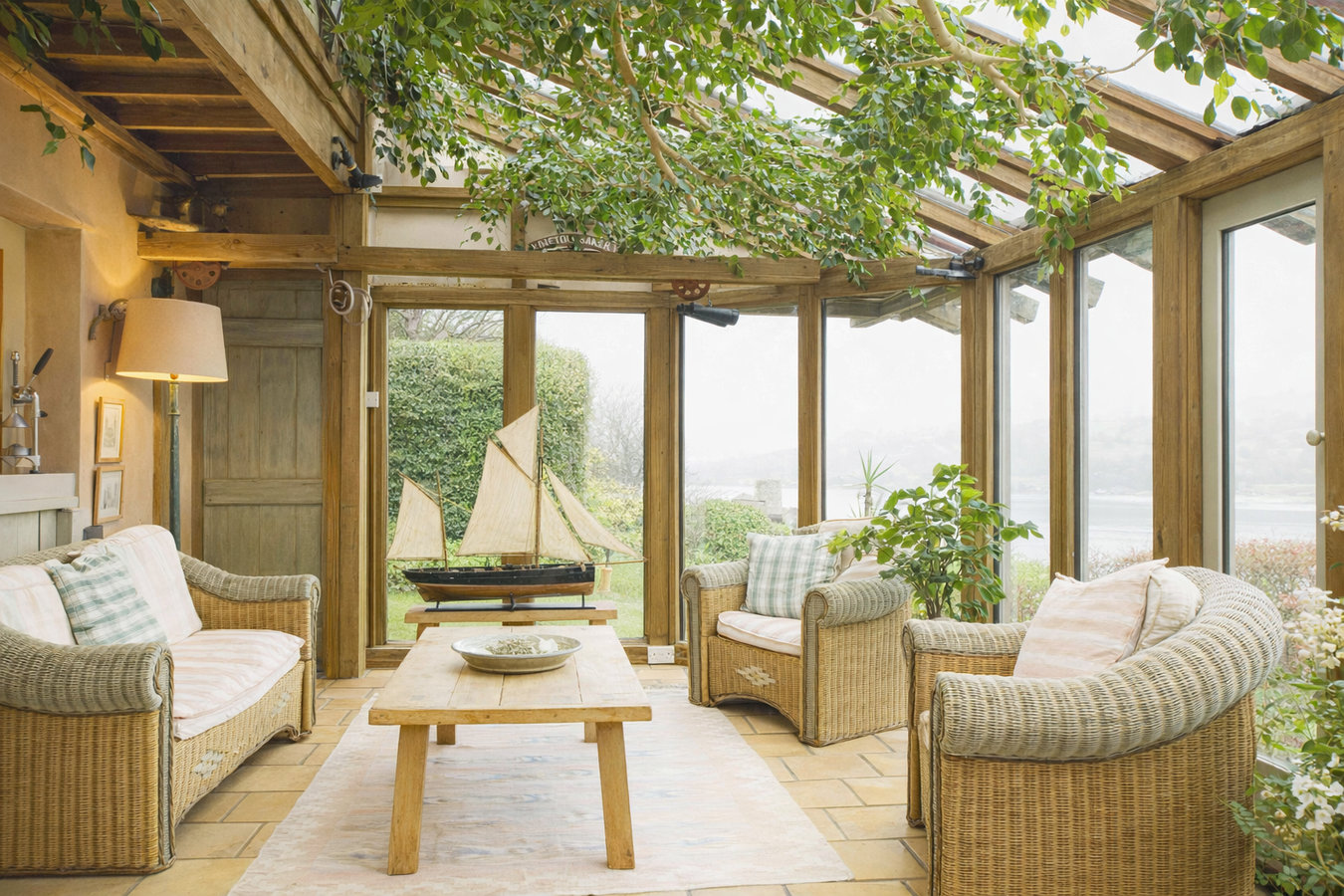
Custom Hesperia Sunrooms & Patios builds sunroom additions, four season rooms, and patio enclosures for Fontana, CA homeowners. Whether your home is a 1970s ranch house near the 10 freeway or a newer two-story in North Fontana, we have been building for the Inland Empire climate since 2015.
Custom Hesperia Sunrooms & Patios builds sunroom additions, four season rooms, and patio enclosures for Fontana, CA homeowners. Whether your home is a 1970s ranch house near the 10 freeway or a newer two-story in North Fontana, we have been building for the Inland Empire climate since 2015.
Fontana backyards sit empty for months every summer because an open patio in 100-degree heat is not usable space. A proper sunroom addition gives you an enclosed, cooled room that works year-round without requiring you to move or reconfigure your home. Our sunroom addition process starts with your existing slab and exterior wall, then builds outward with materials sized for Inland Empire summers - not just coastal California averages.
Fontana summers regularly hit 100 to 110 degrees Fahrenheit, and winter nights in North Fontana can drop near freezing. A four season sunroom handles that full range with insulated walls, double-pane low-E glass, and a cooling system sized for the local heat load. Building a lightly insulated three-season room here means the space will be uncomfortable for a significant portion of the year.
Many Fontana tract homes from the 1970s and 1980s came with a basic aluminum patio cover that has served its time. Enclosing that space with solid walls, sealed windows, and a properly connected roof turns dead square footage into a real room. Stucco exteriors common throughout Fontana respond well to the attachment methods we use, keeping the connection weathertight through Santa Ana wind seasons.
Fontana homes built in the 1990s and early 2000s often have a concrete patio slab in good structural condition but no enclosure. Converting that slab into an insulated, windowed room avoids the cost and disruption of pouring new concrete, and the result adds genuine living square footage to your home on a property where the slab work is already done.
Fontana evenings in October and November can be genuinely comfortable once the summer heat breaks. A screen room lets you sit outside during that window without dealing with the insects and blowing dust that come with any warm Inland Empire evening. For homeowners who want to enjoy seasonal outdoor time without committing to a full enclosure, a screen room is the most cost-effective starting point.
Fontana homeowners who want more comfort than a screen room provides - but are not ready for a full four-season investment - find that an all season room covers the moderate-weather months well. It handles spring and fall comfortably and keeps the room usable through the milder parts of summer and winter, making it a practical middle option for homes in the southern, lower-elevation parts of the city.
Fontana sits at the western edge of the Inland Empire, where the valley traps heat and temperatures regularly push above 100 degrees Fahrenheit from June through September. That climate changes what a well-built sunroom looks like. Glazing choices that perform fine in a San Diego suburb will turn a Fontana sunroom into an oven by July. Santa Ana winds, which gust past 60 mph during strong fall and winter events, test every seal, connection, and window frame on the exterior of your home. A contractor who has not built through a Fontana Santa Ana season will not spec those details the way they need to be specced. The decisions that make a sunroom last here - double-pane low-E glass, properly flashed roof connections, weather seals rated for high-velocity wind - have to be made before the first nail goes in.
The housing stock in Fontana spans five decades of construction, from mid-century ranch houses near the original city center to two-story tract homes in North Fontana built in the late 1990s and early 2000s. Each era of construction presents different conditions at the point where a sunroom ties into the existing structure. Older stucco homes have often already cracked and shifted at corners and window surrounds, and tying a new room into that substrate without addressing those issues creates new leak paths. Newer North Fontana homes sit on hillier terrain with varied drainage conditions that affect how a new concrete slab or footing performs over time. Both types of homes are common throughout the city, and experience with both matters.
Our crew works throughout Fontana regularly, and we pull permits through the City of Fontana Building and Safety Division for every project here. That office has its own plan review timelines and inspection process, and knowing what to expect from them keeps projects on schedule. We have built on both the flat parcels near the I-10 and I-15 corridors and on the steeper lots in North Fontana near the San Gabriel Mountain foothills, where soil conditions and drainage behave differently than the valley floor.
Fontana is a big city - about 214,000 residents as of the last census - and the neighborhoods vary considerably. Homeowners near Fontana Park and the city center tend to have older ranch-style homes on flat lots, while residents up in North Fontana are more likely to have a newer two-story house on a sloped parcel. We have worked in both parts of the city and understand how those differences affect the foundation and attachment work on a sunroom project. The city is also one of the core cities of the broader Inland Empire region, and we serve homeowners throughout this area.
We also serve homeowners in neighboring Rancho Cucamonga to the north and in Ontario to the west. If you live near the Fontana-Rancho Cucamonga border or close to the Ontario line, we cover all of that territory regularly.
When you reach out, the first conversation is about what you want to accomplish - how you plan to use the room, roughly how large, and what your budget looks like. You do not need to have all the answers. We reply within 1 business day and keep this call focused on whether it makes sense to set up a site visit.
We visit your Fontana property to look at the existing slab or patio, the exterior wall, and the ground conditions. In North Fontana, that includes checking drainage on sloped lots. After the visit you receive a written estimate that breaks down the scope and cost - no pressure, no expiration tactics.
Once you decide to move forward, we prepare drawings and submit them to the City of Fontana for permit approval. Plan review typically adds two to three weeks to the front of the project. We handle all of this for you and keep you updated on where things stand.
Active construction typically runs two to four weeks once permits are approved. A city inspector visits at required stages to verify the work. When construction is complete, we walk through the finished room with you to confirm everything meets your expectations before we close out the project.
We serve all of Fontana, CA - from the older ranch homes near the city center to the newer neighborhoods in North Fontana. Call us or submit the form and we will get back to you within 1 business day.
(760) 392-8157Fontana is one of the largest cities in San Bernardino County, with a population of around 214,000 people. The city sits at the western edge of the Inland Empire, where the flatlands meet the foothills of the San Gabriel Mountains. Elevations range from about 1,000 feet near the freeway corridors to over 1,500 feet in the northern neighborhoods. Most of the housing stock was built during two main waves: the 1970s and 1980s near the original city center, and again in the late 1990s through mid-2000s in the North Fontana subdivisions that grew up quickly during that era. Single-family tract homes dominate throughout, with stucco exteriors on virtually every residential street. One of the city's most recognizable landmarks is the Auto Club Speedway, a NASCAR-affiliated racing track in the southern part of the city that has hosted professional races since 1997.
About 60 percent of housing units in Fontana are owner-occupied, which means a large share of residents are long-term homeowners who invest in their properties. The northern neighborhoods - North Fontana - saw heavy residential development in the 1990s and 2000s and now have homes ranging from 20 to 30 years old, putting many of them right at the age where HVAC systems, exterior finishes, and concrete flatwork start to need real attention. Fontana is also home to a large number of warehouse and logistics operations along its freeway corridors, making it a hub for working families who rely on their homes as a solid base. We serve the full city, and our neighboring coverage extends into Rancho Cucamonga to the north as well.
We serve all of Fontana and respond within 1 business day. Call us now or submit the contact form to get started.