
Loading...
Serving Hesperia, CA and surrounding areas. (760) 392-8157
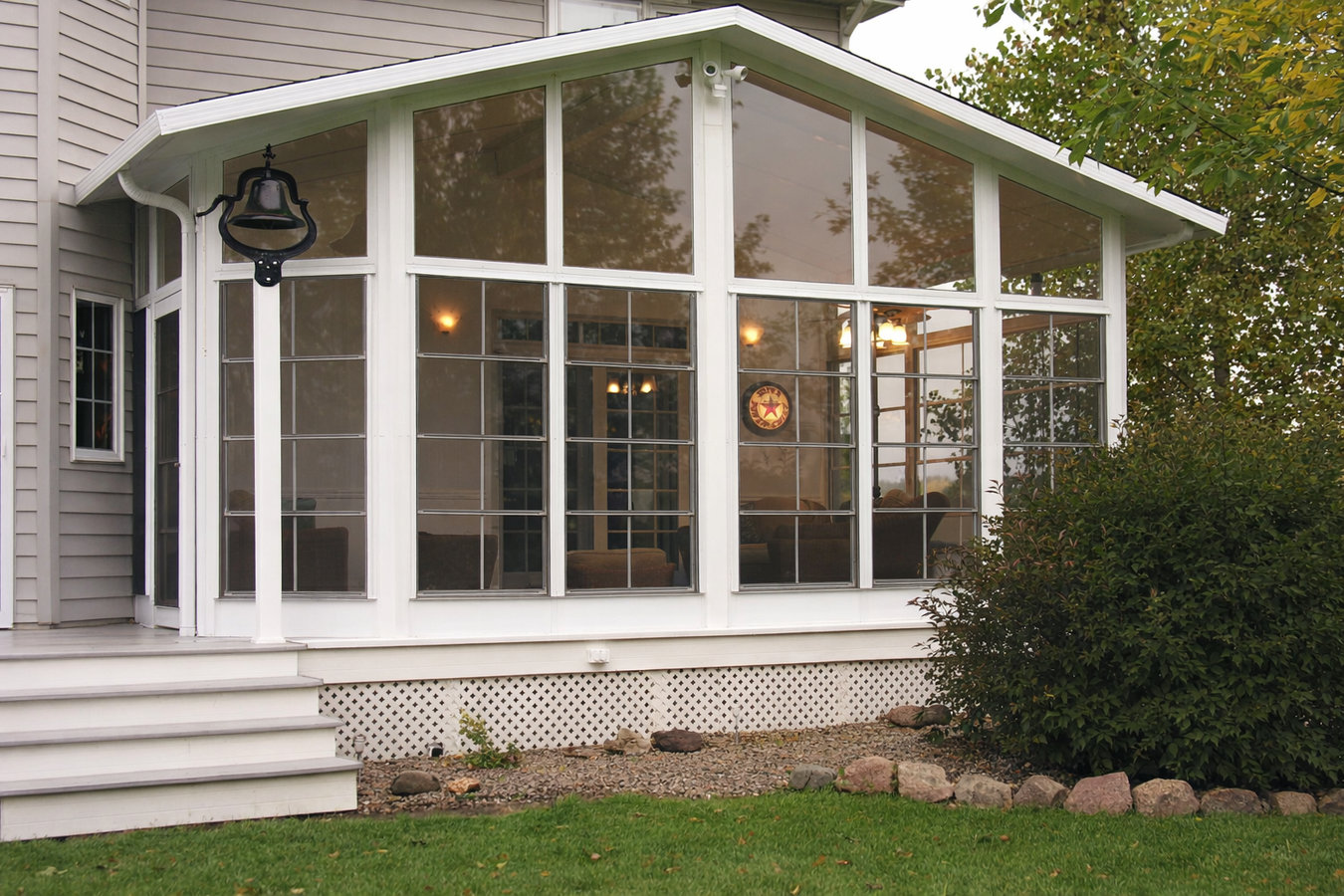
Custom Hesperia Sunrooms & Patios builds four season sunrooms, patio enclosures, and all season rooms for Apple Valley, CA homeowners. Apple Valley sits at nearly 3,000 feet in the Mojave Desert, with summer highs above 100 degrees and winter nights that drop below freezing - conditions we have been building for since 2015.
Custom Hesperia Sunrooms & Patios builds four season sunrooms, patio enclosures, and all season rooms for Apple Valley, CA homeowners. Apple Valley sits at nearly 3,000 feet in the Mojave Desert, with summer highs above 100 degrees and winter nights that drop below freezing - conditions we have been building for since 2015.
Apple Valley homeowners deal with temperature swings that most of California never sees - summer afternoons above 100 degrees and January nights well below freezing. A room that handles only one end of that range is not a real year-round room. Our four season sunrooms are built with insulated walls, high-performance glazing, and climate control designed for the full span of High Desert weather.
Apple Valley sits in the Victor Valley, and the desert wind here carries fine grit that coats open patios and makes outdoor furniture a constant maintenance project. A patio enclosure seals off that exposure while turning an underused slab into genuine living space. Most Apple Valley homes have large patio areas that are already partially covered - the foundation work is often already done.
Many Apple Valley homeowners want a flexible space that works as a bright sunlit room in the mild months and a temperature-controlled retreat in the extremes. An all season room delivers that without the cost of a full addition. The key is building the thermal envelope correctly from the start, with seals and glazing rated for the UV intensity and wind loads this elevation sees.
Apple Valley evenings from late spring through fall are genuinely comfortable once the daytime heat breaks, and a screen room lets residents enjoy that time outside without blowing desert debris and insects. It is also the most affordable entry point for homeowners who want to start using their backyard patio and may upgrade to a fully enclosed room later.
Apple Valley's housing stock was built largely in the 1970s through the 1990s, and many of those homes came with basic patio covers or early screen enclosures that were never designed for today's performance standards. Remodeling an existing structure - replacing panels, resealing connections, adding proper climate control - brings the space up to a level that actually works in the High Desert.
Apple Valley lots tend to be generous in size - most homes sit on quarter-acre or larger parcels with real outdoor space. That lot size means there is usually room to add a proper sunroom addition without feeling squeezed. For owner-occupants in Apple Valley who plan to stay in their homes long-term, a well-built sunroom addition is one of the higher-return home improvements available in this market.
Apple Valley sits at roughly 2,900 feet in the Mojave Desert, which puts it in a climate zone that coastal and Inland Valley contractors rarely prepare for. Summers push past 100 degrees with UV exposure that is noticeably more intense than at sea level - at this elevation, the sun degrades window seals, roofing materials, and exterior finishes faster than product warranties typically assume. A sunroom designed for a milder California climate will become uncomfortable or start failing within a few years here because the glazing, roof system, and wall assembly were not chosen with High Desert solar load in mind. Apple Valley homeowners also face desert winds that carry abrasive sand and grit, which find every gap in a poorly sealed structure and make any room with inferior seals a constant cleaning project.
Winter adds another layer that surprises people unfamiliar with the area. Despite being desert, Apple Valley gets genuine cold - temperatures drop below freezing regularly from November through February, and frost is common. The freeze-thaw cycle that results puts stress on concrete foundations, window seals, and stucco that does not exist in warmer desert cities at lower elevation. Most Apple Valley homes were built in the 1970s through the 1990s, and original roofing, caulk, and exterior finishes from that era are now at or past their expected lifespan. Adding a sunroom to one of these homes requires a contractor who understands how an older stucco exterior behaves when the seasons change and how to tie a new room into that structure without creating new failure points.
Our crew works throughout Apple Valley regularly, and we pull permits from the Town of Apple Valley Building and Safety division. We know the timeline their plan review typically runs and we submit complete packages the first time to avoid back-and-forth that delays your project. Apple Valley is a large, spread-out town, and the construction conditions differ across it - homes near Highway 18 in the older western sections have a different foundation and stucco profile than newer subdivisions on the east side near the Apple Valley Airport.
Apple Valley is a strong owner-occupant community - most residents here own their homes and have been in them for years. That means homeowners tend to want work done right the first time, not patched cheaply. We understand that approach because our own base in the Victor Valley means we are invested in the same community. The main corridors we work along include Highway 18 on the north side, Bear Valley Road through the center of town, and Central Road on the south, and we know what the homes along each of those look like from the ground.
Apple Valley is part of the broader Victor Valley region, and we cover the whole area. Neighboring Victorville, CA is just to the west, and we serve those homeowners as well. We also cover Lucerne Valley, CA to the east for homeowners in that more rural part of the High Desert.
Reach us by phone or through the estimate form on our site. We respond within one business day, ask a few questions about your project and your existing patio setup, and schedule a site visit. No commitment is needed at this stage.
We come to your Apple Valley property to assess the site - existing patio, soil conditions, the wall your sunroom will attach to, and any HOA considerations if your neighborhood has one. Cost and the source of the estimate are addressed in writing before you make any decision; we do not give vague ballparks and pressure you to sign fast.
We prepare and submit all drawings to the Town of Apple Valley. Plan review takes two to four weeks for most projects. We track the submission and follow up so you do not have to. Permit costs are included in your estimate upfront with no surprise fees added later.
Once permits are approved, construction proceeds through foundation, framing, windows, roofing, and interior finish. Town inspections happen at required stages and are coordinated by us. The project closes with a walkthrough, operating instructions for climate control equipment, and copies of all permit records for your files.
We serve all of Apple Valley, CA. Written estimates, no pressure, High Desert experience since 2015.
(760) 392-8157Apple Valley is a town in San Bernardino County with a population of roughly 75,000 to 80,000 residents, making it one of the larger communities in the Victor Valley. The town grew steadily as buyers moved out of the Los Angeles basin looking for more affordable single-family homes, and that growth brought a wide mix of home ages and styles across the area. Most of the housing stock was built between the 1970s and the early 2000s - single-story and two-story homes on generous lots, with stucco exteriors, attached garages, and concrete driveways and patios that are standard in desert Southern California. The area sits at about 2,900 feet elevation in the Mojave Desert, which gives it a noticeably different climate from lower-elevation desert cities. Apple Valley has long been associated with Western film stars Roy Rogers and Dale Evans, who lived here for decades, and the town still carries that local identity with pride.
Apple Valley is a strong owner-occupant community - census data consistently shows that most homes here are owner-occupied rather than rented, which means residents invest in their properties over the long term. That ownership culture makes it a market where quality work matters and where a well-built, permitted sunroom adds real and lasting value. The town is bordered by Victorville to the west and is part of the broader Victor Valley region. Our neighboring coverage area of Hesperia, CA is just to the south, and we also serve Adelanto, CA to the northwest for homeowners across the western Victor Valley.
Free estimates for all Apple Valley, CA homeowners. We respond within one business day.