
Loading...
Serving Hesperia, CA and surrounding areas. (760) 392-8157
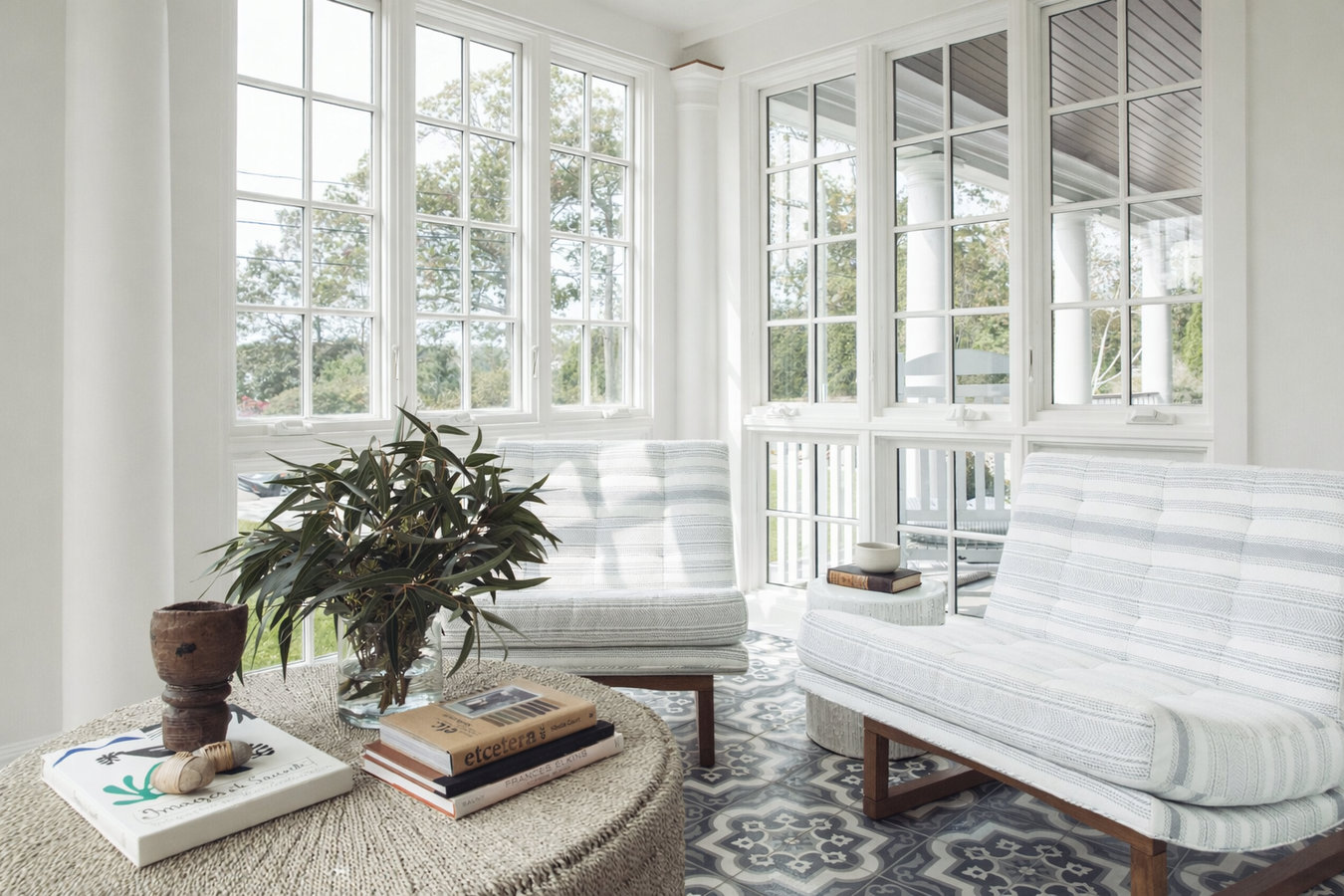
Custom Hesperia Sunrooms & Patios designs and builds sunrooms, four season rooms, and patio enclosures for Rancho Cucamonga, CA homeowners. From the older Alta Loma foothills properties to the newer tracts near Victoria Gardens, we have been building for Inland Empire conditions since 2015.
Custom Hesperia Sunrooms & Patios designs and builds sunrooms, four season rooms, and patio enclosures for Rancho Cucamonga, CA homeowners. From the older Alta Loma foothills properties to the newer tracts near Victoria Gardens, we have been building for Inland Empire conditions since 2015.
Rancho Cucamonga homeowners have invested significantly in their properties - median home values here run well above the state average - and a sunroom that looks out of place or performs poorly in the local climate is money poorly spent. Our sunroom design process starts with your specific lot, your home's existing roofline, and the glazing choices that make sense for Rancho Cucamonga's triple-digit summers and Santa Ana wind seasons - not a catalog layout applied regardless of site.
With around 287 sunny days per year and summer highs hitting 100 to 105 degrees Fahrenheit, a Rancho Cucamonga sunroom needs to be built for the full climate - not just the pleasant weeks in March and October. A four season room with insulated walls, low-E double-pane glass, and a properly sized cooling unit keeps the room usable all year. Homes in the foothills near Alta Loma also benefit from the added winter insulation on frost nights.
Many Rancho Cucamonga homes from the 1980s and early 1990s have a stucco-sided covered patio that was designed as a shaded outdoor space, not an enclosed room. Enclosing that space with solid walls, weathertight windows, and a properly flashed roof connection turns unused square footage into a real room. The stucco attachment work on homes of this era requires specific detail work to stay weathertight through Santa Ana season.
Properties in the Alta Loma and Etiwanda neighborhoods often have larger lots, mature trees, and exterior features that do not fit a standard prefabricated room layout. A custom-built sunroom accounts for your specific roofline, lot grade, and the way your home faces the sun - details that matter when Rancho Cucamonga afternoons are running 100 degrees and the sun is hitting your south or west wall hard.
Rancho Cucamonga homeowners tend to stay in their homes for the long term, and a sunroom addition is one of the most practical ways to add usable living space without moving. Many homes here are at the 30-year mark where the original concrete flatwork is showing wear - and combining a slab repair or replacement with a new sunroom addition addresses both issues in a single project.
Vinyl framing holds up well under the intense UV exposure common throughout Rancho Cucamonga - it does not crack, fade, or require repainting the way wood framing does when exposed to years of Inland Empire sun. For homeowners who want a low-maintenance room that still looks clean and finished after a decade of triple-digit summers, vinyl is a practical material choice for this climate.
Rancho Cucamonga averages around 287 sunny days per year, and summer temperatures regularly reach 100 to 105 degrees Fahrenheit. That level of sun exposure degrades exterior building materials faster than in cooler climates - stucco bleaches and cracks, wood trim dries out, and caulking around windows and doors shrinks and gaps within a few years without proper material selection. A sunroom built here without low-E glazing and a correctly sized cooling solution will be uncomfortable from June through September. The Santa Ana winds that blow through the city every fall - gusting past 60 mph during strong events - test every flashing detail and window seal on the exterior of the home. Contractors who have not built through a Rancho Cucamonga wind season will not flash the roof connection or seal the window frames the way they need to be sealed for this environment.
Clay soil is common throughout the Inland Empire, and Rancho Cucamonga is no exception. Clay expands when wet during winter rains and shrinks back during the dry summer - a cycle that puts ongoing stress on concrete slabs, footings, and patios. Homes in the city are mostly 30 to 45 years old, built during the rapid growth period from the late 1970s through the mid-1990s. That means many properties already have concrete flatwork that has moved with the clay, and tying a new sunroom into a slab that has not been assessed for current condition creates problems at the foundation level within a few years. The foothills neighborhoods in the north - Alta Loma and Etiwanda - also have larger lots with mature trees, steeper terrain, and original concrete that is older than the southern tracts, which adds a different set of site conditions to evaluate.
Our crew works throughout Rancho Cucamonga regularly, and we pull permits through the City of Rancho Cucamonga Building and Safety Services for every project here. That office has its own plan review process and inspection scheduling, and familiarity with how it runs keeps projects from stalling. We have worked on homes across the city - from the flat southern neighborhoods near the I-10 corridor to the larger foothills parcels in Alta Loma and Etiwanda up toward the base of Cucamonga Peak.
The city was incorporated in 1977 and built out quickly through master-planned subdivisions over the following two decades. Driving through any neighborhood here, you will see houses built from similar floor plans on similar lots - which means contractors who know the city can estimate quickly and accurately because the conditions are predictable. Historic Route 66 runs through the city along Foothill Boulevard, and many of the older homes along and near that corridor were built in the 1960s and early 1970s, making them among the oldest residential structures in Rancho Cucamonga. Those properties have different needs than the newer tracts built after incorporation. The city's main gathering point - Victoria Gardens - sits in the center of the city, and we serve homeowners throughout all parts of Rancho Cucamonga.
We also serve neighboring Upland to the west and Fontana to the east. If you live near the Rancho Cucamonga-Upland border or close to the Fontana city line, our crew covers all of that territory on a regular basis.
When you reach out, we start by understanding what you are hoping to build - intended use, rough size, and budget range. You do not need to have all the answers at this stage. We reply within 1 business day and use this conversation to determine whether a site visit makes sense.
We visit your Rancho Cucamonga property to assess the existing slab or patio, the exterior wall connection, and soil conditions - including any clay movement visible in existing concrete. In the Alta Loma and Etiwanda foothills we also check drainage and lot grade. After the visit you receive a written estimate with no expiration pressure.
Once you decide to move forward, we prepare detailed drawings and submit them to the City of Rancho Cucamonga for permit approval. Plan review typically adds two to three weeks to the start of the project. We handle this process entirely and keep you updated on the status.
Active construction typically runs two to four weeks once permits are in hand. A city inspector reviews the work at required stages. When construction is complete, we walk through the finished room with you to confirm everything meets your expectations and close out the project cleanly.
We serve all of Rancho Cucamonga, CA - from the foothills neighborhoods in Alta Loma and Etiwanda to the southern tracts near the 10 freeway. Call us or submit the form and we will be back to you within 1 business day.
(760) 392-8157Rancho Cucamonga is one of the larger cities in San Bernardino County, with a population of around 177,000 people. The city was incorporated in 1977 and grew quickly through master-planned subdivisions built mostly between the late 1970s and the mid-1990s. It sits at the foot of the San Gabriel Mountains along the I-10 and I-15 freeways, with elevations ranging from about 1,000 feet in the southern parts of the city to over 1,500 feet in the northern foothills. The historic neighborhoods of Alta Loma and Etiwanda - now part of the incorporated city - were developed earlier and have larger lots, mature trees, and some of the oldest homes in the area. Most of the city is made up of single-family detached homes on lots of 6,000 to 10,000 square feet, with stucco exteriors on virtually every residential street. The prominent mountain backdrop directly above the city's northern edge is Cucamonga Peak, a well-known hiking destination visible from nearly everywhere in the city.
About 65 percent of homes in Rancho Cucamonga are owner-occupied - above the California average - and residents here tend to stay for years and invest in their properties. Much of the housing stock is now 30 to 45 years old, which puts roofs, HVAC systems, and concrete flatwork at or past their expected service life on many properties. Historic Route 66 runs through the city along Foothill Boulevard, and the Route 66 corridor through Rancho Cucamonga is a point of local pride. We serve homeowners throughout all parts of the city, including neighboring Upland to the west.
We serve all of Rancho Cucamonga and respond within 1 business day. Call us now or submit the contact form to get started.